


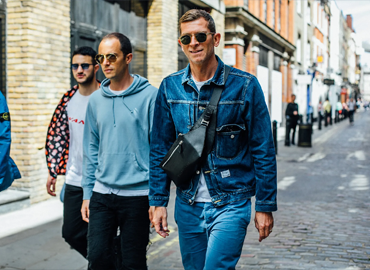
Streetwear has evolved from a niche underground style into one of the most influential forces in modern fashion. What once represented rebellion and individuality is now a billion-dollar industry shaping trends across the globe. But what exactly is streetwear, and why has it become so dominant?
What is Streetwear?
Streetwear is a casual fashion style rooted in youth culture, blending elements of skateboarding, hip-hop, sportswear, and urban aesthetics. It focuses on comfort, individuality, and self-expression rather than traditional fashion rules.
Key pieces often include:
- Graphic t-shirts
- Hoodies and sweatshirts
- Sneakers
- Cargo pants and joggers
- Caps and accessories
The Origins of Streetwear
Streetwear began in the late 1970s and 1980s, primarily in cities like Los Angeles and New York. It was heavily influenced by:
- Skateboarding culture
- Hip-hop music and artists
- Surf culture
- Graffiti and street art
Early streetwear brands started by printing bold graphics on t-shirts and selling them locally, often in limited quantities, which created exclusivity and hype.
Why Streetwear Became So Popular
Streetwear’s rapid growth is no accident. Several factors contributed to its global success:
1. Influence of Music and Celebrities
Hip-hop artists and influencers played a major role in popularizing streetwear. Their personal style became aspirational for millions of fans.
2. Limited Drops and Exclusivity
Streetwear brands often release products in limited quantities. This “drop culture” creates urgency and demand, making items feel rare and valuable.
3. Comfort Meets Style
Unlike traditional fashion, streetwear prioritizes comfort without sacrificing style—making it perfect for everyday wear.
4. Social Media and Hype Culture
Platforms like Instagram and TikTok have amplified trends, allowing streetwear brands to reach global audiences instantly.
Key Elements of Streetwear Design
Streetwear is not just clothing—it’s a statement. Here are some defining design elements:
- Bold Graphics: Logos, slogans, and artwork are central
- Oversized Fits: Relaxed silhouettes dominate
- Neutral & Earth Tones: Often mixed with vibrant pops of color
- Layering: Combining hoodies, jackets, and tees
- Customization: Unique prints, embroidery, and patches
Streetwear vs. Traditional Fashion
| Streetwear | Traditional Fashion |
|---|---|
| Casual and relaxed | Formal and structured |
| Trend-driven | Season-driven |
| Influenced by youth culture | Influenced by designers and runways |
| Focus on individuality | Focus on uniformity and elegance |
The Role of Sneakers in Street wears
Sneakers are a cornerstone of streetwear culture. Limited-edition releases and collaborations often sell out within minutes, turning sneakers into collectibles.
A great outfit in streetwear often starts from the shoes and builds upward.
How to Style Street wears
If you’re looking to adopt streetwear style, here are some tips:
- Keep it simple but bold
- Mix oversized and fitted pieces
- Invest in quality basics
- Add statement sneakers
- Use accessories like caps or crossbody bags
The Future of Streetwear
Streetwear continues to evolve by blending with luxury fashion, sustainability trends, and technology. Many high-end designers are now incorporating streetwear elements into their collections, proving its lasting impact.
Sustainability is also becoming a major focus, with brands exploring eco-friendly fabrics and ethical production methods.
Conclusion
Streetwear is more than just a fashion trend—it’s a cultural movement that represents identity, creativity, and freedom of expression. From the streets to high fashion runways, its influence shows no signs of slowing down.
Whether you’re a brand, designer, or fashion enthusiast, understanding streetwear is essential in today’s style landscape.